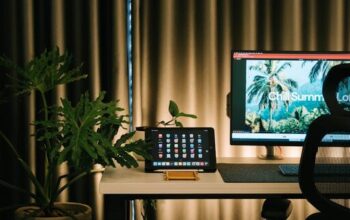
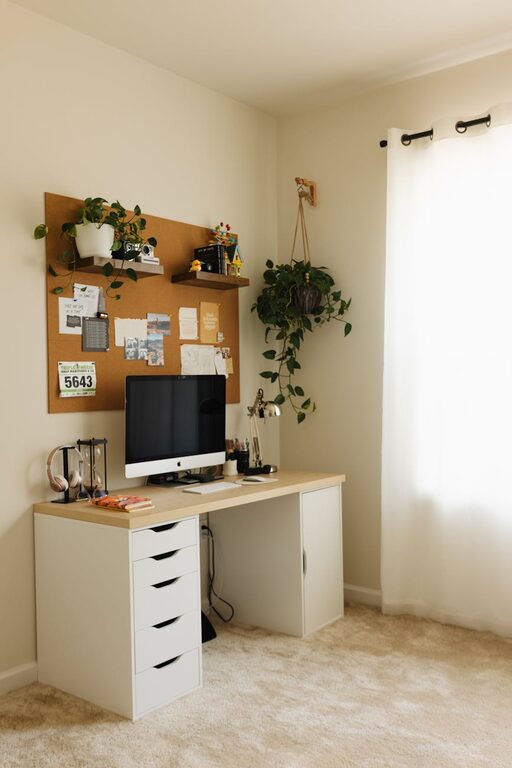
Creating a relaxing home workspace is key to staying productive and focused throughout your workday. When your environment feels calm and organized, it can significantly reduce stress and boost your efficiency. Whether you work remotely full-time or occasionally, designing your workspace to promote relaxation can lead to better results and a more enjoyable work experience.
In this post, we’ll share practical tips to help you create a home workspace that invites calm, encourages focus, and increases productivity.
Why a Relaxing Workspace Matters
Your workspace plays a big role in how you feel and work. A cluttered or noisy environment can lead to distractions, stress, and lower concentration. On the other hand, a space designed for relaxation helps your mind settle and your creativity flow naturally.
Choose the Right Location
Consider natural light
Try to set up your workspace near a window where you can enjoy plenty of natural light. Daylight improves mood, reduces eye strain, and helps regulate your daily rhythm.
Quiet and privacy
Pick a spot in your home that is away from frequent noise and distractions. If possible, choose an area with a door you can close for privacy during calls or focused work sessions.
Invest in Comfortable Furniture
Ergonomic chair and desk
Your chair should support your posture comfortably, and your desk should be at the right height to avoid strain. Investing in ergonomic furniture can prevent discomfort and improve focus.
Personalize your space
Add a few personal touches like cushions, a cozy throw, or a plant to make your workspace inviting. Comfort and aesthetics play a big role in relaxation.
Keep It Organized
Declutter regularly
An organized workspace reduces stress and saves time you might spend searching for items. Use storage bins, shelves, or drawers to keep supplies neat.
Simplify your essentials
Keep only what you use daily on your desk. Having fewer items in view helps your mind stay clear and focused.
Use Calming Colors and Decor
Choose soothing colors
Soft colors like light blues, greens, or neutrals create a peaceful atmosphere. Avoid overly bright or harsh colors that might increase tension.
Add natural elements
Incorporating plants or natural materials can create a sense of calm and improve air quality.
Manage Lighting and Sound
Adjustable lighting
Have the option to adjust the lighting depending on the time of day and task. A desk lamp with warm light may be better for focused work sessions.
Control noise
If noise is an issue, consider noise-canceling headphones or white noise machines. Soft background music or nature sounds can also enhance relaxation for some people.
Take Breaks and Move
Schedule regular breaks
Short breaks throughout the day refresh your mind and prevent burnout. Use reminders or timers to make sure you step away from your desk.
Incorporate gentle movement
Stretching or simple yoga poses near your workspace can reduce tension and boost circulation.
Use Aromatherapy to Enhance Relaxation
Certain scents like lavender, chamomile, or eucalyptus are known for their calming effects. A diffuser or a scented candle (used safely) can improve the atmosphere and help you stay relaxed.
Maintain Consistent Routine
Having a consistent routine helps your brain associate your workspace with productivity and focus. Try to start and finish work at regular times and keep your workspace tidy at the end of the day.
Final Thoughts
Creating a relaxing home workspace doesn’t require a complete overhaul. Small changes like improving lighting, adding a plant, or decluttering your desk can have a significant impact on your productivity and well-being. By making your workspace a calm and inviting place, you set yourself up for successful, focused workdays.
Remember, the best workspace is one that fits your needs and helps you feel comfortable and motivated. Take the time to design a space that supports both your work and your well-being.