
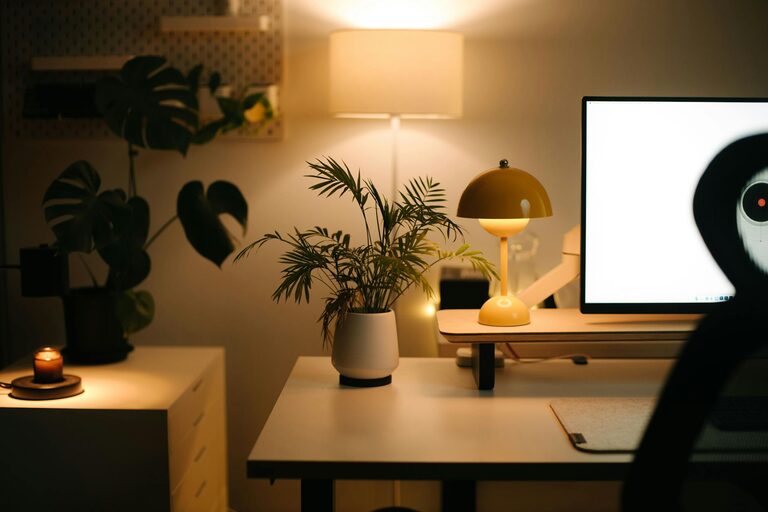
Creating a cozy and inviting home workspace can transform the way you work every day. Whether you’re working from home full-time, freelancing, or pursuing personal projects, having a dedicated area that feels comfortable and motivating makes a big difference. Here are practical tips and ideas to help you design a workspace that’s both functional and welcoming.
Choose the Right Location
Prioritize Natural Light
Natural light has a positive impact on mood and focus. If possible, set up your workspace near a window. Exposure to daylight can boost your energy levels and reduce eye strain.
Consider Privacy and Noise Levels
Select a spot that offers some privacy and minimal distractions. If your home is busy or noisy, consider using noise-cancelling headphones or adding soft materials like rugs and curtains that absorb sound.
Invest in Comfortable Furniture
Ergonomic Chair and Desk
Comfort is key. Choose an ergonomic chair that supports your lower back and encourages good posture. Pair it with a desk at the right height to avoid strain on your wrists and shoulders.
Flexible Setup
If space allows, consider adjustable desks that let you switch between sitting and standing. Adding a footrest or ergonomic accessories like keyboard trays can also enhance comfort.
Personalize Your Space
Add Meaningful Decor
Surround yourself with items that inspire you—photos, art prints, or motivational quotes. Plants are another great addition, as they bring a touch of nature indoors and improve air quality.
Use Color Wisely
Colors can influence your mood. Soft, warm tones like light blues, greens, or earth tones create a calming atmosphere, while brighter colors like yellow or orange can add energy.
Organize for Efficiency
Declutter Regularly
A tidy space helps clear your mind. Use storage solutions like shelves, drawers, and desk organizers to keep essentials within reach but out of the way.
Create Zones
If your workspace is shared with other activities, designate specific areas for work-related tasks. This helps your brain switch into work mode and keeps distractions low.
Optimize Lighting
Layer Your Lighting
Along with natural light, use a combination of overhead lights, desk lamps, and ambient lighting. Adjustable lamps help you focus light where you need it most without causing glare.
Choose Warm Lighting
Soft white or warm lights create a cozy feel and reduce eye strain compared to harsh, bright lighting. Consider LED bulbs for energy efficiency and longevity.
Incorporate Comfort Elements
Soft Textiles
Adding a small throw blanket or cushion can make your chair more comfortable and add warmth to your space.
Maintain Comfortable Temperature
Make sure your workspace stays at a comfortable temperature. A small fan or heater can help regulate the climate if needed.
Promote Good Air Quality
Air Circulation
Good air quality helps you stay alert. Open windows when weather permits and consider an air purifier or a few airflow-friendly plants like spider plants or snake plants.
Establish a Routine
Keep Your Workspace Dedicated
Try to use your workspace only for work-related activities. This will help your mind associate the space with productivity.
Take Breaks and Move
Even in a cozy space, taking regular breaks to stretch or walk around helps maintain focus and reduces discomfort.
Final Thoughts
Creating a cozy and inviting home workspace doesn’t require a complete overhaul or a big budget. Thoughtful attention to lighting, furniture, organization, and personal touches can turn any corner of your home into a productive haven. Start small by adding one or two elements, and gradually customize your area to fit your lifestyle and preferences. A well-designed workspace supports your goals and makes work feel a little more enjoyable every day.